June 17, 2026
Maintaining a home requires constant vigilance, and few systems are as critical yet frequently overlooked as your gutters. Serving as the primary defense against water damage, your gutter system collects rainwater from your roof and safely channels it away from your home's foundation, siding, and landscaping. When this system fails, the consequences can be swift and financially devastating, leading to eroded soil, flooded basements, rotted fascias, and compromised structural integrity. Homeowners often treat gutter maintenance as a minor weekend chore or put it off until a major leak appears. However, waiting for a catastrophic failure before addressing your water management system is a risky strategy. By understanding what to look for and assessing the state of your home before picking up the phone, you can have an informed conversation with a professional and ensure you receive the precise service your property requires. In this article, we will detail exactly what to look for around your roofline and property to determine if you need immediate professional assistance.
Visible Sagging or Pulling Away From the Roofline
One of the most obvious visual cues that your home requires professional attention is when the gutters begin to sag or lean away from the fascia board. Gutters are designed to sit perfectly straight and tight against the roofline, maintaining a very subtle pitch toward the downspouts to keep water moving. When hangers loosen, rust out, or pull free from the wood, the gutter troughs will begin to bow downward under the weight of accumulated water and debris. If you notice a visible gap between the back of the gutter and the wood it is mounted to, or if the entire line looks warped from a distance, the system can no longer catch water effectively. A professional gutter contractor will need to assess whether the underlying fascia board has rotted out and replace the brackets to stabilize the structure.
Persistent Pooling Water or Spillover During Rain
To truly understand how well your drainage system is functioning, you need to observe it in action during a heavy rainstorm. If you look up and see water cascading over the sides of the troughs like a waterfall, or if you notice massive puddles forming directly underneath the roofline after the storm passes, you have a major functional failure. Spillover is frequently caused by severe internal blockages, completely undersized troughs that cannot handle the volume of your roof's runoff, or an improper pitch that causes water to pool in the middle rather than flow toward the downspouts. Standing water inside the troughs adds immense weight to the system, causing rapid deterioration. An experienced gutter contractor can recalculate the necessary pitch and clear or replace the problematic sections to restore seamless flow.
Puddles and Soil Erosion Near the Foundation
Your gutter system is only successful if it safely relocates water far away from your concrete slab or basement walls. If you take a walk around the perimeter of your home and notice deeply eroded trenches in your mulch, displaced topsoil, or cracked landscaping bricks directly beneath the eaves, your gutters are dropping water exactly where it shouldn't go. Even worse, if you find standing water pooling against your foundation walls, you are risking catastrophic basement flooding and foundation shifting. When water continuously saturates the soil surrounding your home, it exerts immense hydrostatic pressure against the concrete, eventually causing it to crack and bow. This external damage is a definitive signal that your downspouts are either blocked, disconnected, or improperly extended.
Peeling Exterior Paint and Rotting Fascia Boards
Water is incredibly destructive when it ends up on surfaces designed to stay dry. If the paint on your siding, trim, or fascia boards is bubbling, peeling, or flaking off, it is a classic sign of chronic moisture exposure. When gutters overflow or leak from the back seam, water runs directly down the exterior walls of your home. Over time, this constant soaking penetrates the wood, leading to unsightly mold growth, wood rot, and structural decay. If you ignore these signs, a simple gutter repair can easily spiral into an incredibly expensive siding and structural framing replacement project. A qualified professional can track down the exact source of the leak and prevent further architectural degradation.
Rust Spots and Corroded Metal Components
For homes equipped with traditional sectional steel or aluminum gutters, age eventually catches up in the form of corrosion. While modern seamless aluminum systems are highly resistant to rust, older sectional layouts are highly susceptible, particularly at the joints, seams, and end caps where water tends to sit. If you spot orange or brown flecks of rust, visible thinning of the metal, or small holes corroding through the bottom of the troughs, the integrity of the material is completely compromised. Once rust eats through the metal, patch kits and sealants are only temporary bandages. A seasoned gutter contractor can evaluate the extent of the oxidation and determine if a localized repair will suffice or if upgrading to a modern seamless system is the more cost-effective long-term move.
Separated Seams and Leaking Mitered Corners
If your home does not feature a completely seamless setup, your gutter line is constructed from multiple segments fastened together with specialized sealants and connectors. These joints and corners are the absolute weakest links in the entire system. Over years of enduring freezing winters, scorching summers, and heavy wind loads, the metal expands and contracts, which eventually breaks down the structural caulking. If you see water dripping constantly from the seams or the mitered corners long after the rain has stopped, your system is failing at its primary junctions. While a homeowner can attempt to climb a ladder and slap new silicone over the gap, this rarely lasts; a professional has the heavy-duty commercial sealants and fastening tools required to fuse the sections back together permanently.
Basement Dampness and Interior Wall Stains
Sometimes, the most alarming indicators of a failing exterior drainage system actually manifest inside your living spaces. If you open your basement door and are greeted by a musty smell, or if you spot white, powdery mineral deposits (efflorescence) on your concrete walls, water is actively penetrating your home. Similarly, water stains appearing on upstairs ceilings or along the drywall of exterior walls often indicate that water is backing up under your shingles due to clogged or damaged troughs. According to This Old House, nearly 31% of homeowners nationwide have pursued roof renovation, repair, or maintenance projects over the past three years. Because your roof and your gutters operate as a unified system to shield your home from the elements, ensuring your gutters are flawless is an absolute prerequisite to protecting any roofing investments you make.
Disconnected Downspouts and Loose Elbow Joints
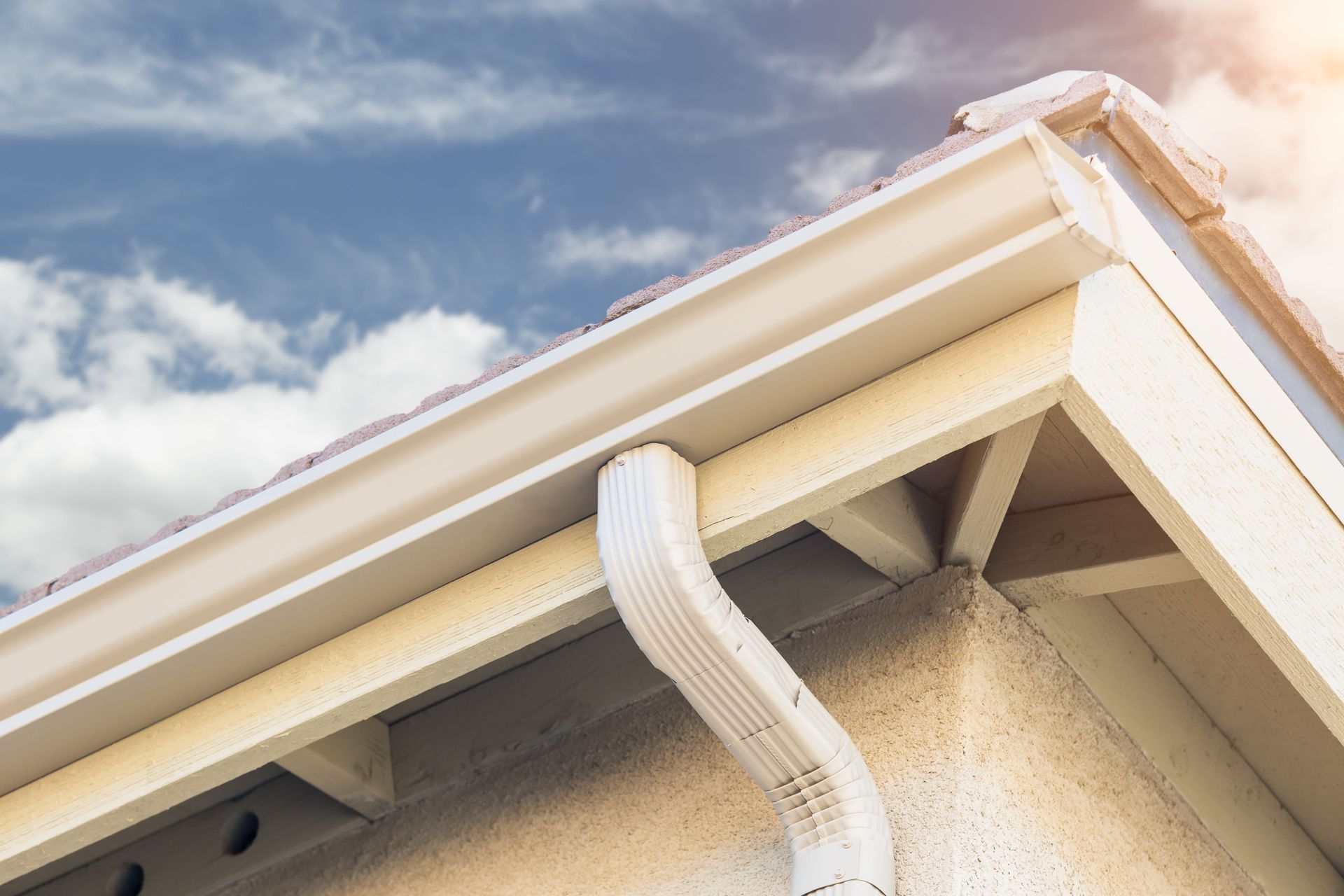
Downspouts are the vertical pipes responsible for carrying water safely down from the roofline to the ground level. Because they extend down the side of the house, they are highly vulnerable to getting bumped by lawnmowers, loosened by heavy winds, or weighed down by packed wet leaves. If you notice that the elbow joints at the top or bottom have separated, or if the vertical pipe is rattling against your siding, the path of the water is broken. When a downspout detaches, it dumps gallons of concentrated stormwater directly against your siding or trim. Reattaching these components requires specialized self-tapping screws and proper anchoring brackets to ensure they remain rigidly secured to your home through future storms.
If you are ready to protect your foundation and preserve your property's value, reach out to South Jersey General Contractors today to book an obligation-free inspection and secure your home against water damage.